People ask us all the time: “How do you travel so much and always to places so far away?” or “Isn’t it incredibly expensive? Do your parents pay for your trips?”
The last one drives me insane! But the truth is, we aren’t digital nomads making six figures, nor do we have unlimited time or money and our travels are definitely not financed by our parents. We simply love travelling and have learned over the years where it’s worth spending, where it really isn’t and how to travel on a budget.
Travelling far and often has less to do with having a huge budget, but much more with planning ahead, making smart decisions and knowing where you can save money without sacrificing the experience. In fact, travelling to the other side of the world can sometimes be cheaper than a holiday closer to home, if you choose the right destination and prepare well.
In this step-by-step guide, we’ll show you how to travel long distances cheaply. Think of this as your budget travel checklist for planning an overseas trip without breaking the bank.
Step 1: Dreaming

Step 1 is choosing your destination wisely because the biggest savings happen before you even set foot in a foreign country.
The destination
If you’re like me and I guess you are if you’re reading this post, you probably want to travel as far away as possible while spending the least amount of money. Even though flying halfway across the world might seem incredibly expensive, the overall trip can actually end up costing less than travelling somewhere closer to home. That’s because some countries are simply much cheaper in terms of daily expenses than others.
For example, Bali is generally much cheaper than Japan, while flights to both destinations can be expensive, accommodation, food and transportation in Bali cost significantly less, making the total trip much more affordable. Sometimes paying a little more for the flight means you’ll spend far less once you arrive.
What I usually do, before deciding on a destination: I always compare average accommodation prices, restaurant costs and transportation in order to understand how high the daily expenses in those certain destinations are.
Another great trick is looking beyond the destinations that everyone is talking about. Less touristy countries are often much more affordable while still offering incredible experiences.
When to travel
If you can be flexible with your travel dates, you’re already one step ahead. Flying during school holidays, Christmas or peak summer almost always means higher prices. Instead, try travelling during the shoulder season, the period between peak and off-season. You’ll often enjoy pleasant weather, fewer crowds and significantly lower prices for flights and accommodation. Of course, this isn’t possible for everyone, but if you have the flexibility, it’s one of the easiest ways to save money without sacrificing your experience. Before booking, simply search for your destination’s peak, shoulder and off-season. Every country is different and travelling just a few weeks earlier or later can sometimes save you hundreds of euros.

We travelled to Bali during the shoulder season and honestly, we’d do it again. Yes, it rained almost every day, but usually only for about an hour. The evenings were a little cooler, there were far fewer tourists and it was still warm enough to go snorkelling, visit waterfalls and spend the day at the beach. For us, the lower prices and quieter atmosphere were absolutely worth the occasional rain shower.
Not to mention, that sometimes staying a little longer also makes the expensive flights much more worthwhile while giving you the chance to really experience the country, its culture and its people more indepth.
Budget
I know this is the boring part, but bear with me, because setting a rough budget (even if it’s just the amount of money currently available in your bank account) also helps making decisions. Decide on a maximum budget for the whole trip and if you’re like me maybe also one for accommodation, food, etc.
Don’t make the mistake of only focusing on the big, obvious things (like flights and accommodation) while completely forgetting about the other costs. There are plenty of hidden costs that are easy to overlook, and they can add up surprisingly quick.
Hidden Costs
This is the part that I always forget… and somehow I still haven’t learned my lesson.
When my friend and I planned our trip to Thailand, we completely underestimated how many extra costs appeared apart from accommodation, etc.. Hopefully writing this guide will finally stop me from making the same mistake again (and maybe help you avoid it too!).
Visas
Visa requirements vary from country to country. Sometimes those are expensive and other times you need no visa at all. But especially when travelling further abroad, knowing what requirements to expect is essential. Otherwise, you might pay 400 Australian dollars and still end up with no visa, as it happened to us…
Vaccinations
We ended up going almost €500 over our budget per person before our trip had even started… When planning our budget, we focused on flights, accommodation and daily costs, but completely overlooked the vaccinations recommended for our destination. The result? An unexpected bill of nearly €500 each.
Don’t make the same mistake we did! Before setting your travel budget, check which vaccinations are recommended or required for your destination and include them from the start. Your future self (and your wallet) will thank you!
Travel Insurance
This blog post is all about saving money, but travel insurance is one thing I would never recommend skipping. You never know what might happen while you’re abroad. Think of it as something you hope you’ll never need, but you’ll be very glad to have if something goes wrong.
Step 2: Planning & Booking
Now it comes to the nitty-gritty part: the planning and booking. This is where most of your budget will be spent, but also where you have the biggest opportunity to save money. A little extra research now can easily save you hundreds of euros later.
Transportation
Before booking a single thing, compare all the possible ways of getting to your destination. Depending on where you’re travelling, trains or buses can sometimes be much cheaper than flying. In Europe, companies like FlixBus and overnight trains are often great budget-friendly options. When travelling through Australia we most often used Greyhound buses because they are the cheapest way to get around the country. They might take a little longer, but if you’re travelling on a budget, they’re definitely worth considering.

When searching for cheap flights, don’t be afraid to mix different airlines. Sometimes flying from Europe to Dubai with one airline and then booking a separate ticket from Dubai to Bali with another airline can save you a surprising amount of money. This can be easily done by booking through Skyscanner. It makes it easy for you to compare booking platforms and prices and it also lets you set flight alerts, which notify you when the price changes. Flight prices change constantly, so there’s no guaranteed cheapest day to book. Instead of trying to guess the “perfect” moment, start tracking prices early and book once you find a fare you’re happy with.

Skyscanner is one of our most-used travel apps and a must-have on both of our phones. But it’s far from the only app that can make travelling easier and help you save money along the way. We’ve put together a list of the travel apps we think everyone should have before their next trip.
Check neighbouring airports
Don’t limit yourself to one airport. Flying into or out of nearby airports can sometimes reduce the ticket price dramatically.
For example, when visiting London, flights to Stansted are often much cheaper than Heathrow. Even though it takes a little longer to reach the city centre, the lower flight price can easily outweigh the extra transport costs. Just make sure to compare the total cost before booking.
Airline Miles and reward points
If you travel regularly with the same airline or airline alliance, joining their free frequent flyer programme can definitely be worth it. Every flight earns you miles that can later be redeemed for discounted flights, upgrades or other travel benefits.

I also love using Revolut while travelling. Besides offering great exchange rates, it makes keeping track of my travel budget incredibly easy and often includes cashback offers on hotels and other travel bookings.
Packing light
Travelling with hand luggage only is something I absolutely swear by. I know it can be difficult to leave things behind (yes, I am talking to you and no you don’t need another pair of shoes!). This is the ultimate key to saving money. I know it can be hard to pack everything you need for a while in a small backpack, but trust me, if friends of mine managed to travel around the world with nothing but carry-on luggage, then your one- or two-week holiday is definitely possible too. Besides saving money on baggage fees, it makes moving between destinations so much easier and you don’t have to carry that much all the time.
Make sure to have all the essentials you actually need for your trip. We’ve put together a guide with our favourite travel essentials, which also includes laundry dry wash sheets perfect for washing your clothes so you don’t need that many.
Accommodation
The best type of accommodation depends on who you’re travelling with, where you’re going and how long you’re staying. As a backpacking blog, our favourite option are usually hostels which we usually book over hostelworld. They’re affordable, a great place to meet other travellers and having access to a shared kitchen is one of the easiest ways to save money on food.

If sharing a dorm room isn’t for you, don’t worry. Many hostels also offer private rooms, which are often cheaper than hotels while still giving you access to the social atmosphere and shared facilities.
A few years ago, Airbnb was almost always my first choice because it was often the cheapest option. Nowadays, that’s not always the case. Between cleaning fees and service charges, we’ve often found that Booking.com offers much better value for our money.
We also have a blog post, which is all about affordable accommodations and how to find them.
Pro Tip: Staying just a few metro stops outside the city centre can reduce accommodation costs dramatically while still giving you easy access to all the main attractions.
Step 3: Packing
Packing smart can help you skip baggage fees, avoid buying forgotten essentials abroad, making travelling much easier overall. As said before, the best way to save money and not break your back is by travelling with a carry on only.
Our Backpacking Packing List
The most important stuff is packing versatile clothing, a travel towel and small versions of the hygiene products. If you’re not sure what to pack, we’ve put together a curated list of all our favourite backpacking essentials that we never travel without. Feel free to check it out before your next adventure!
Another item I never travel without is a reusable water bottle. It might sound like a small thing, but it can save you a surprising amount of money, especially on longer trips. Many airports and cities have free drinking water stations where you can refill your bottle instead of buying bottled water every day. Just make sure the tap water is safe to drink at your destination.
Pro Tip: Always leave some room in your backpack. This is something that I always preach and never do myself, but a small space is perfect for souvenirs or local products that you have bought and want to take home. But I know how hard it is. Trust me.
Step 4: Travel Day
Now the day has finally come and you can start your adventure! But keep your budget in mind! The first day of a trip can already become surprisingly expensive. Luckily, a few small decisions can save you a lot of money before your holiday has even properly begun.
Airport
If you’ve packed your own snacks and brought a reusable water bottle, you’ve already won half the battle. Airport food and drinks are incredibly expensive. Instead, bring a few snacks from home and refill your water bottle after security if your airport has a drinking water station. It’s a simple habit, but one that saves money every single trip.

It’s also very easy to make impulse purchases while waiting for your flight. Unless you’ve planned to buy something specific, airport shops are rarely the cheapest place to shop.
Arrival
One of the easiest ways to save money after landing is not taking a taxi straight away. Almost every major airport has some form of public transport connecting it to the city centre, whether that’s a train, metro or airport bus. It might take a little longer to figure out, especially if it’s your first time at this destination, but it’s always worth it.
I almost made this mistake myself in Seoul. At first we were ready to order a taxi from Incheon Airport, but after doing a little more research we realised there was an airport bus that stopped basically in front of our hotel. It ended up being around €50 cheaper than taking a taxi and was just as convenient.
Pro Tip: Before you fly, spend five minutes checking how to get from the airport to your accommodation. It makes arriving in a new country so much less stressful because you already know exactly where you’re going.
Download offline maps
This is something that I didn’t know myself until recently. Now, before every trip, I search for my destination in Google Maps, tap on my profile picture, go to Offline Maps and download the area I’ll be visiting. That way, I can still navigate even if I don’t have internet or mobile data.
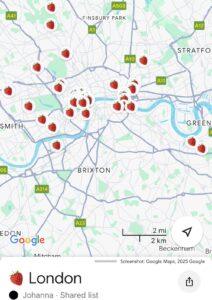
When I first started travelling, I didn’t do this and I was constantly using my mobile data just to check directions. Now I download the map before every trip, save our accommodation and even our own Google Maps lists to get everywhere without needing mobile data.
Staying connected
Having internet access from the moment you land makes everything easier. Before travelling, compare whether your existing roaming plan, a local SIM card or an eSIM is the cheapest option for your destination.
eSIMs are the best option because you can usually activate them before your flight and have internet the moment you land. No stressful searching for SIM card shops at the airport and no swapping physical SIM cards that might be hella expensive anyway.
Since I don’t have that much experience with esims yet, I wanted to make sure that we recommend something we genuinely felt comfortable with. While looking for the best eSIM option for my upcoming trip to Thailand, I came across Tess’ detailed review of Saily. What we really appreciated was how honest and balanced her experience felt. Yes, the post contains also affiliate links, but it never came across as a sales pitch, it felt like a genuine review from someone who had actually used the service. We found it incredibly helpful while making our decision (and it’s the eSIM we ended up choosing ourselves).
If you’re currently comparing your options, we’d definitely recommend reading her review. She also shares plenty of other helpful travel guides, especially for South America, so she’s well worth following if you’re planning more adventures around the south globe!
Money
This is probably one of the most overlooked way people loose money while travelling…
First of all, avoid exchanging money at the airport whenever possible. Airport exchange offices usually offer some of the worst exchange rates. The same goes for independent ATMs like Euronet, Travelex or airport ATMs. Whenever possible, use ATMs from local banks instead, as they often have lower fees and better exchange rates.
One tip that has saved us money on almost every trip: Always decline Dynamic Currency Conversion (DCC).
If an ATM or card machine asks whether you’d like to pay in your home currency (for us, euros), always choose the local currency instead. Your own bank or card provider will almost always give you a much better exchange rate.
What I have found to love is using Revolut whenever I’m abroad because it gives me the excellent possibility to exchange money online in the local currency for me to pay by card with amazing exchange rates and makes it really easy to see exactly how much I’m spending throughout the trip.
Step 5: At the Destination
Now you have made it to the destination. Time to enjoy your vacation! Now it’s all about making smart daily decisions without having to compromise experiences to stay on a budget. But in fact, if you ask me, I think some of the best travel experiences are completely free.
Food
If you’re travelling for a little longer, cooking a few meals yourself can make a huge difference to your budget. I usually prepare breakfast myself and sometimes lunch, then enjoy eating out for dinner. That way I still get to try the local food without spending money on restaurants for every single meal.
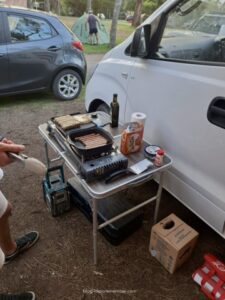
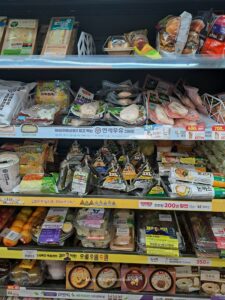
One thing I absolutely love is meal deals. Whether it’s supermarkets, lunch specials or happy hour menus, they’re one of the easiest ways to save money while still trying local food. Honestly, I never skip a visit to a local supermarket or convenience store. Places like 7-Eleven in Thailand or Japan have definitely become part of the travel experience for me! I still dream about my Korean kimbap from my trip to Seoul!
Some of the best meals we’ve ever had also came from street food markets and small family-run restaurants. Not only are they often much cheaper, but they usually feel much more authentic than restaurants only aimed at tourists.

Attractions
There are so many free attractions in almost every destination, you just need to spend a little time researching them beforehand. If you don’t feel like doing all the research yourself, that’s exactly why we created our city guides. We include plenty of free and budget-friendly spots so you can spend less time planning and more time exploring.

Personally, I think one of the best ways to explore any city is simply by walking around. Some of my favourite memories weren’t famous landmarks at all, walking around Bratislava became the highlight of this trip, spotting unexpected streets and hidden corners.

I know you’ve probably heard me mention free walking tours a hundred times already, but I honestly can’t recommend them enough. They’re one of my favourite things to do whenever I visit a new city. You get to learn so much about the destination while only tipping whatever you think the experience was worth, which is a perfect way for you to adapt to your budget.
Transportation
As said before, walking is almost always my favourite way to explore a city, except when we are talking about a huge city like Sydney, but even there walking around neighbourhoods is worth your time.
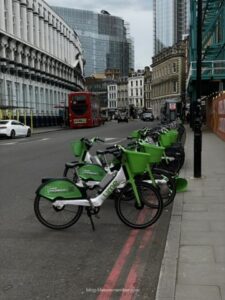
When you do need transport, metros, buses and trams are almost always the cheapest option. Many cities also have rental bikes or e-scooters, which can sometimes be even cheaper and definitely more fun.

If you’re travelling between cities, I highly recommend looking into overnight buses or trains. I’ve travelled this way many times, including taking an overnight train to Venice and several overnight buses across Europe. Not only do you save valuable sightseeing time during the day, but you also save the cost of one night’s accommodation. It’s honestly one of my favourite budget travel hacks!
Slow travel
This section is important to mention because it is first of all better for the environment and second of all it can save you money in the long run. I know staying somewhere for weeks isn’t possible for everyone, but if you have the time, slow travel is one of the easiest ways to reduce your travel costs.
Spending several nights in one place usually means lower accommodation prices, fewer transport costs and a much more relaxed travel experience. Instead of constantly packing your backpack and rushing to the next destination, you actually get the chance to experience the local culture.
Many accommodations also become significantly cheaper when you stay longer. Weekly and monthly discounts are common on Airbnb and many hostels offer reduced prices for longer stays as well.
Step 6: Returning home
Budget travel doesn’t end when you arrive home. Every trip teaches you something and taking a few minutes to review your expenses and experiences can help make your next adventure even more affordable.
Summary Expenses
This might just be the organisation nerd in me, but I track my expenses on every single trip. I genuinely “enjoy” (less when I see the full red number at the end) looking back afterwards to see exactly where my money went. Looking back at your spending helps you understand where you could have saved money and what was absolutely worth every euro. Every trip teaches you something new, and those little lessons make planning the next adventure so much easier.
Flights
Don’t forget to collect any airline miles or loyalty points you’ve earned. They might not save you money on your current trip, but over time they can make future flights, upgrades or even hotel stays much cheaper.
If your flight was significantly delayed or cancelled, it’s always worth checking if you are entitled to a compensation.
Travelling far doesn’t have to mean spending a fortune. With the right planning, smart booking decisions and a little flexibility, you can visit incredible places without breaking the bank!
At the end of the day, you’re on holiday and everyone values different experiences! Budget travel isn’t about choosing the cheapest option every single time, it’s about making conscious decisions on what is truly worth spending your money on, whatever that might be for you!
After all, the goal isn’t to spend as little as possible. The goal is to spend wisely, travel further, experience more and create a life you’ll remember.

Backpacking isn’t for the weak, especially when it comes to the packing process! To save as much space as possible and avoid overpacking, I’ve put together this backpacking packing list

This week’s blog post is all about our top Travel Essentials that are (in our opinion) necessary when backpacking! We tested all of them during our long and many travels

Travelling the world on a budget can be challenging, but with a bit of creativity, you can save money and enjoy a more unique travel experience. Here are my 5





![[Ad] Thinking about planning a trip to Peru? 🇵🇪
The Ultimate Peru Travel Itinerary (2 weeks) is out now!
14 - DAY BREAKDOWN:
- Days 1–3: Lima (Barranco street art, Miraflores & Historic Center)
- Day 4: Paracas, Ica & sandboarding in Huacachina
- Days 5–8: Exploring Cusco, Rainbow Mountains & preparing for the trek
- Days 9–13: Salkantay Trek to Machu Picchu
- Day 14: Maras Salt Mines & heading home
📍My recommendation: If you want even more inspiration check out @travelingisourpassion and their awesome Peru guides! Check out their blog through this link: travelingisourpassion.com ✨
Tip: Get your Saily eSIM set up before landing so you have instant internet. Use our code LIFETOREMEMBER for 10% off!
🌻 Find the full 14-day itinerary & everything you need to know before your trip -> LINK IN BIO! (blog-lifetoremember.com)
#perutravelitinerary #perutravel #backpacking](https://blog-lifetoremember.com/wp-content/plugins/instagram-feed/img/placeholder.png)